
Overview
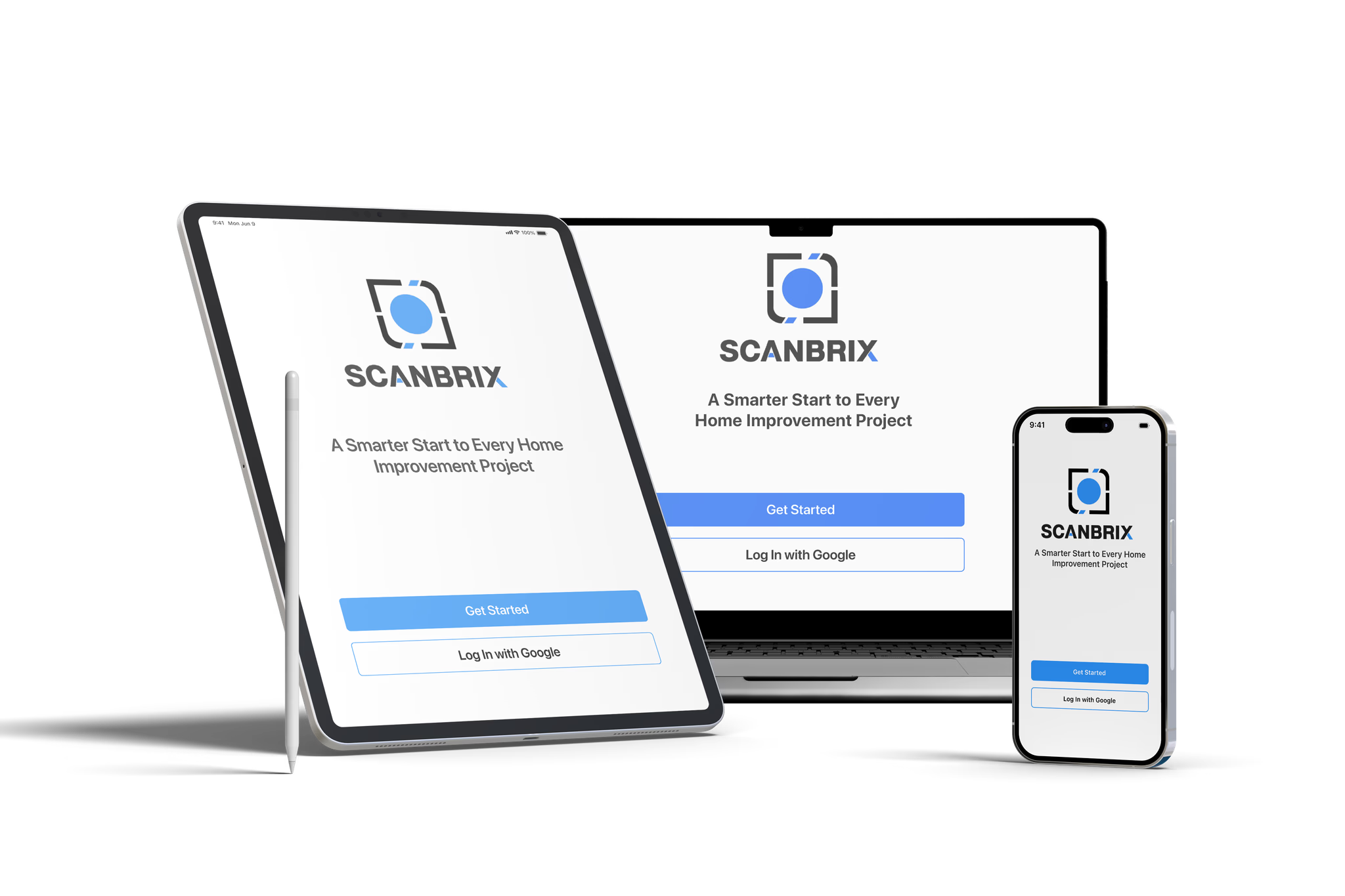
This project was a 3D capture and delivery platform built for residential contractors. It combined an iPhone field app, a client-facing web portal, and an internal operations system used for QA, pricing, and delivery.
We were brought in after the product had stalled. Core workflows were incomplete, the codebase was hard to maintain, and the platform was not supporting a reliable path from scan capture to final delivery.
Within 2 months, we rebuilt the product across iOS, web, and backend and shipped a working system used by contractors, operators, and clients.
The Situation
The product had a clear business need, but the execution was breaking down.
Contractors needed a simple way to capture homes on iPhone and upload scan data. Internal teams needed a clear workflow for reviewing jobs, managing QA, and handling delivery. Clients needed a professional way to receive finished assets.
When we took over, that workflow did not hold together.
- The iOS app had no usable upload flow
- Authentication was failing
- Onboarding was not saving the right workspace and user data
- The backend had grown into a fragile single-file codebase
- Admin and QA operations depended on workarounds instead of product logic
The result was a product that was difficult to trust internally and difficult to present externally.
The Work
We took over the existing system and rebuilt the product end-to-end.
That included product direction, engineering, delivery, client communication, and day-to-day decision making under a short deadline.
Over 2 months, we shipped:
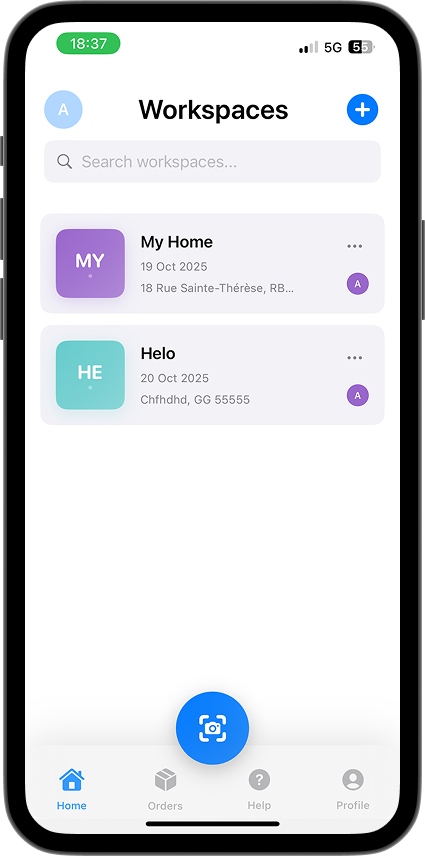
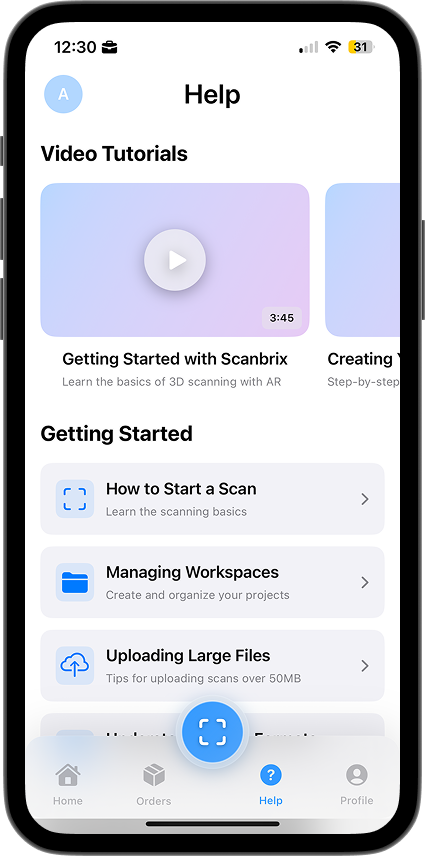
- A working iOS workspace and upload flow
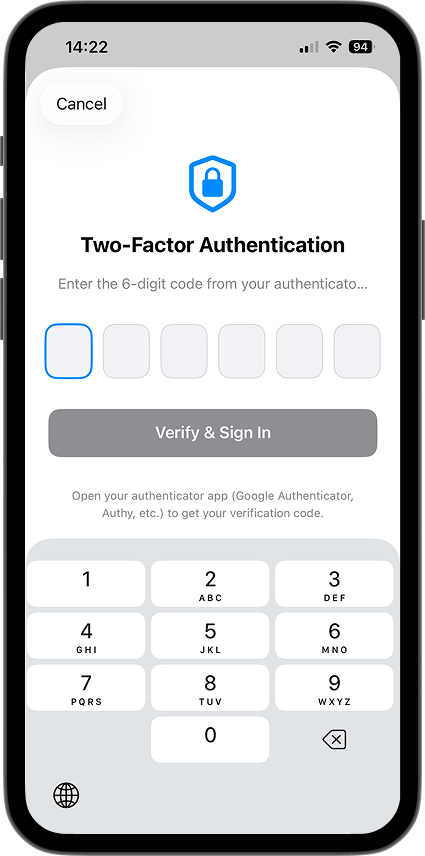
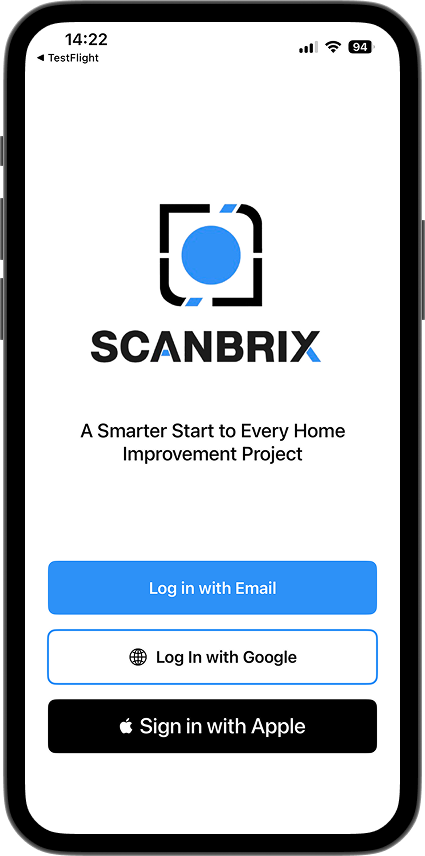
- Authentication and onboarding with correct user and workspace persistence
- Large file upload handling with direct cloud upload and resumable sync patterns
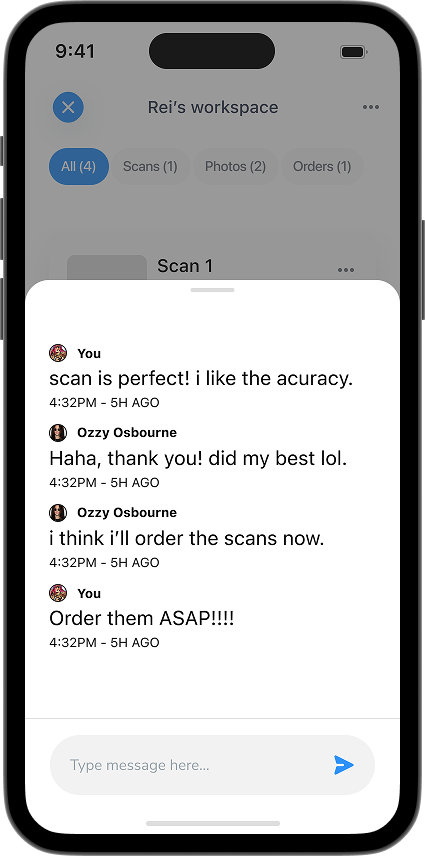
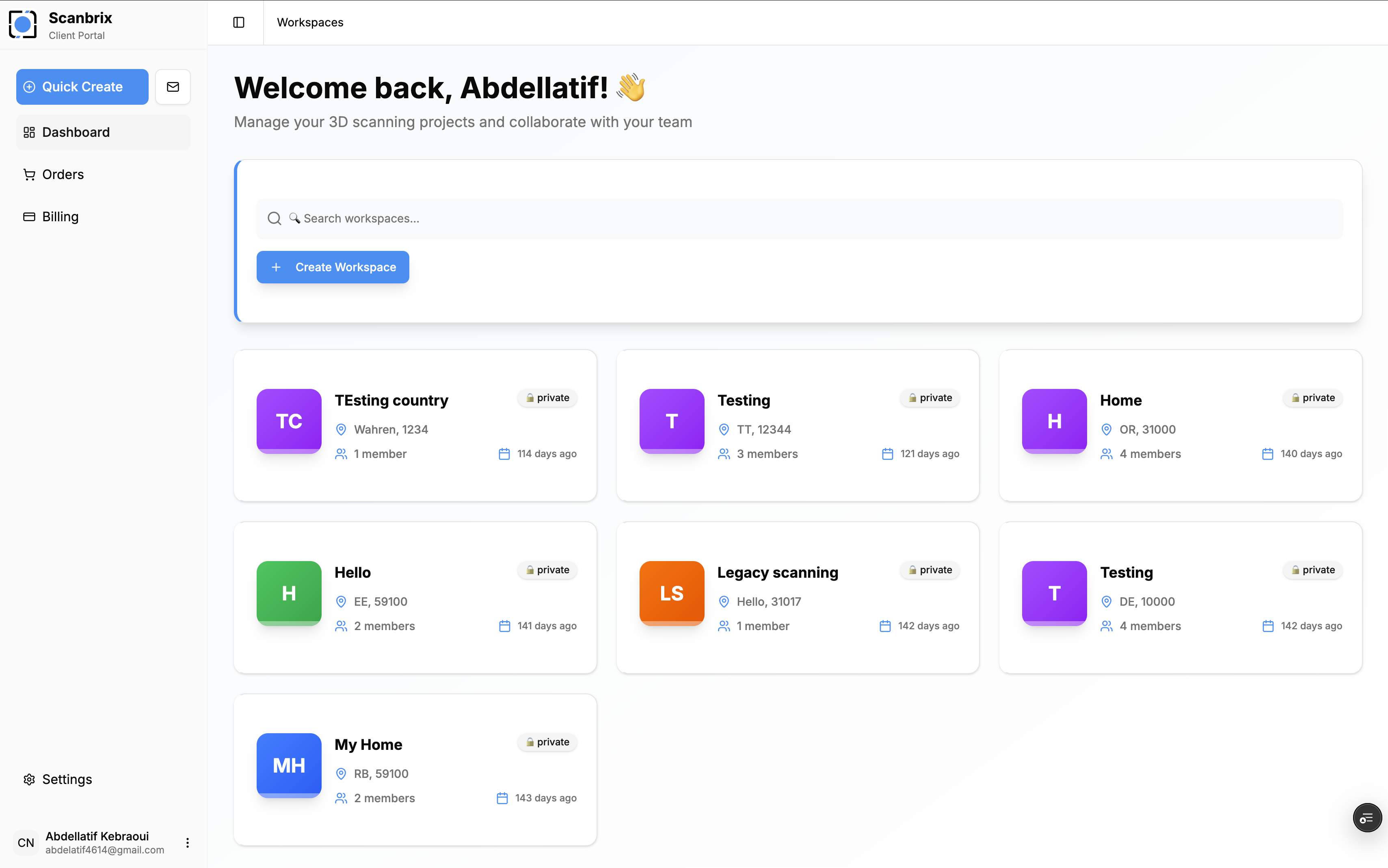
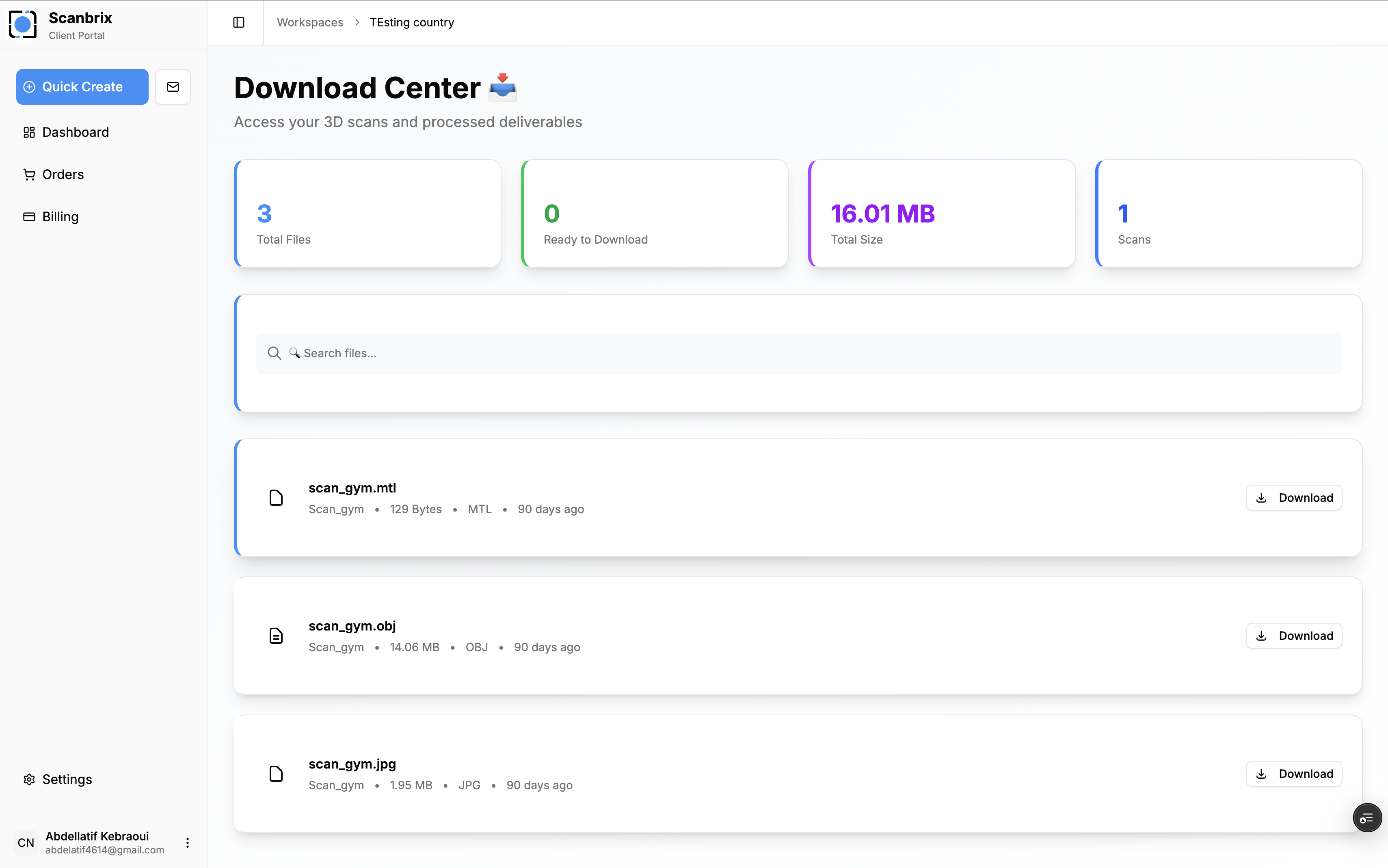
- A client portal for viewing projects, receiving deliverables, and downloading assets
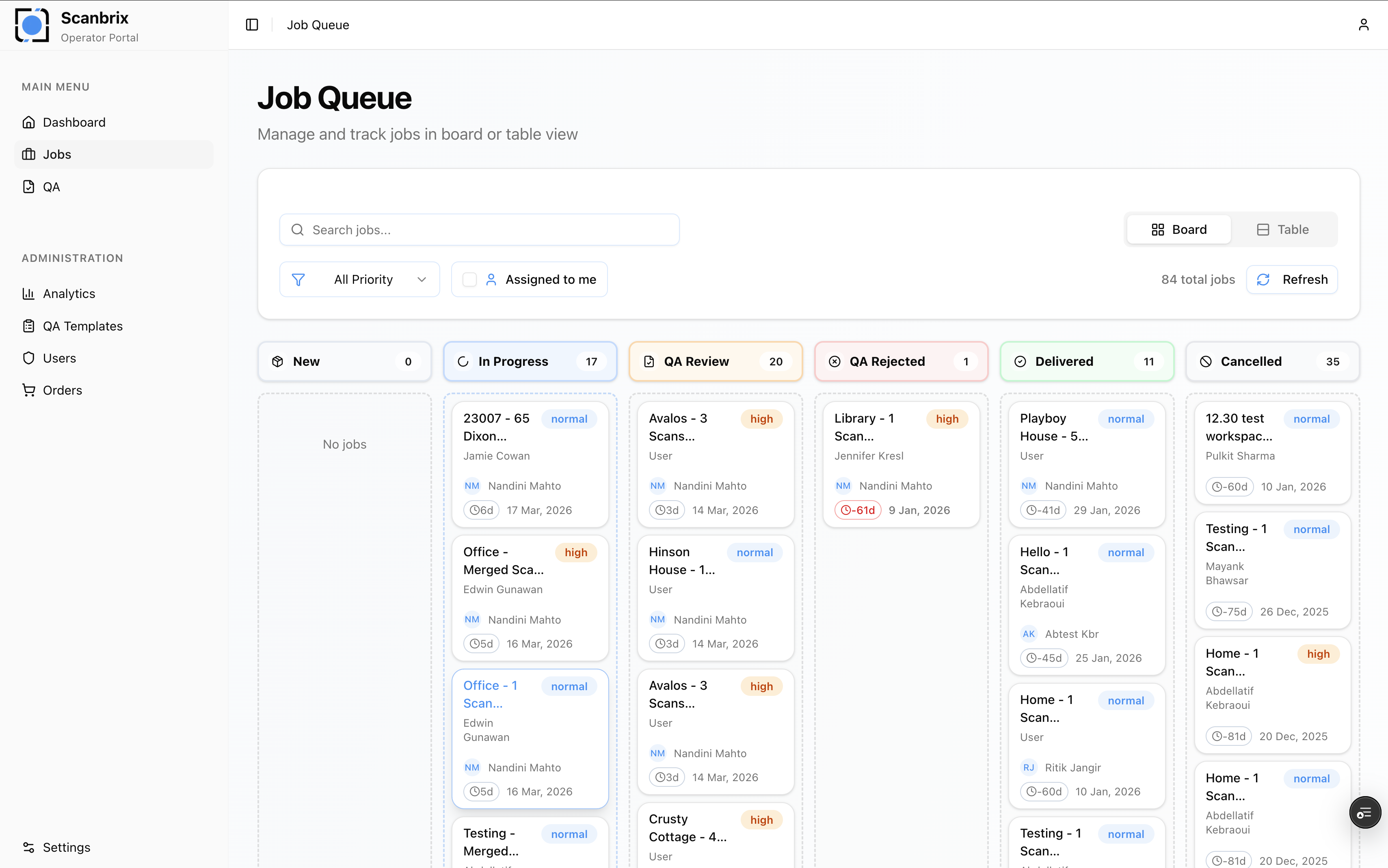
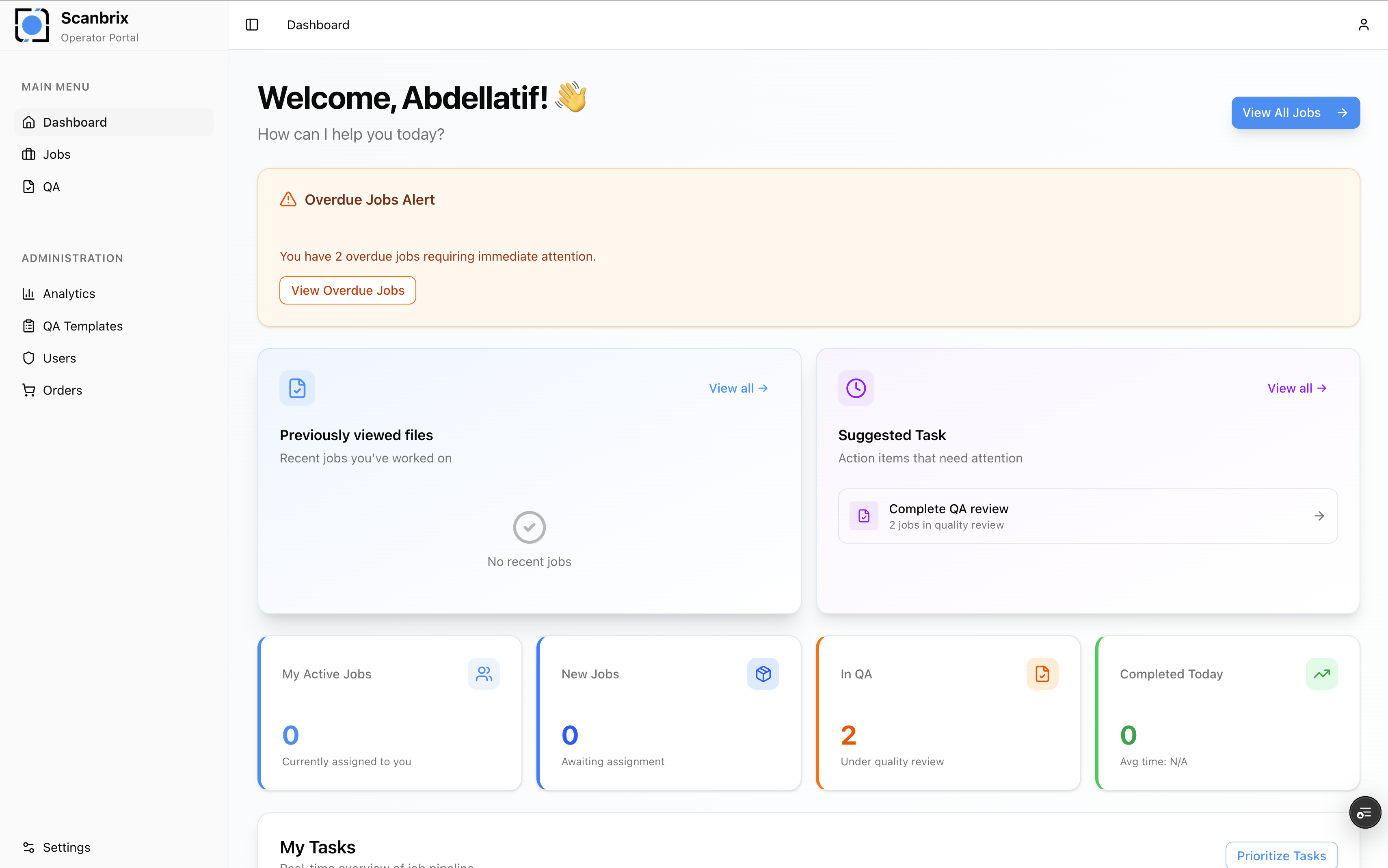
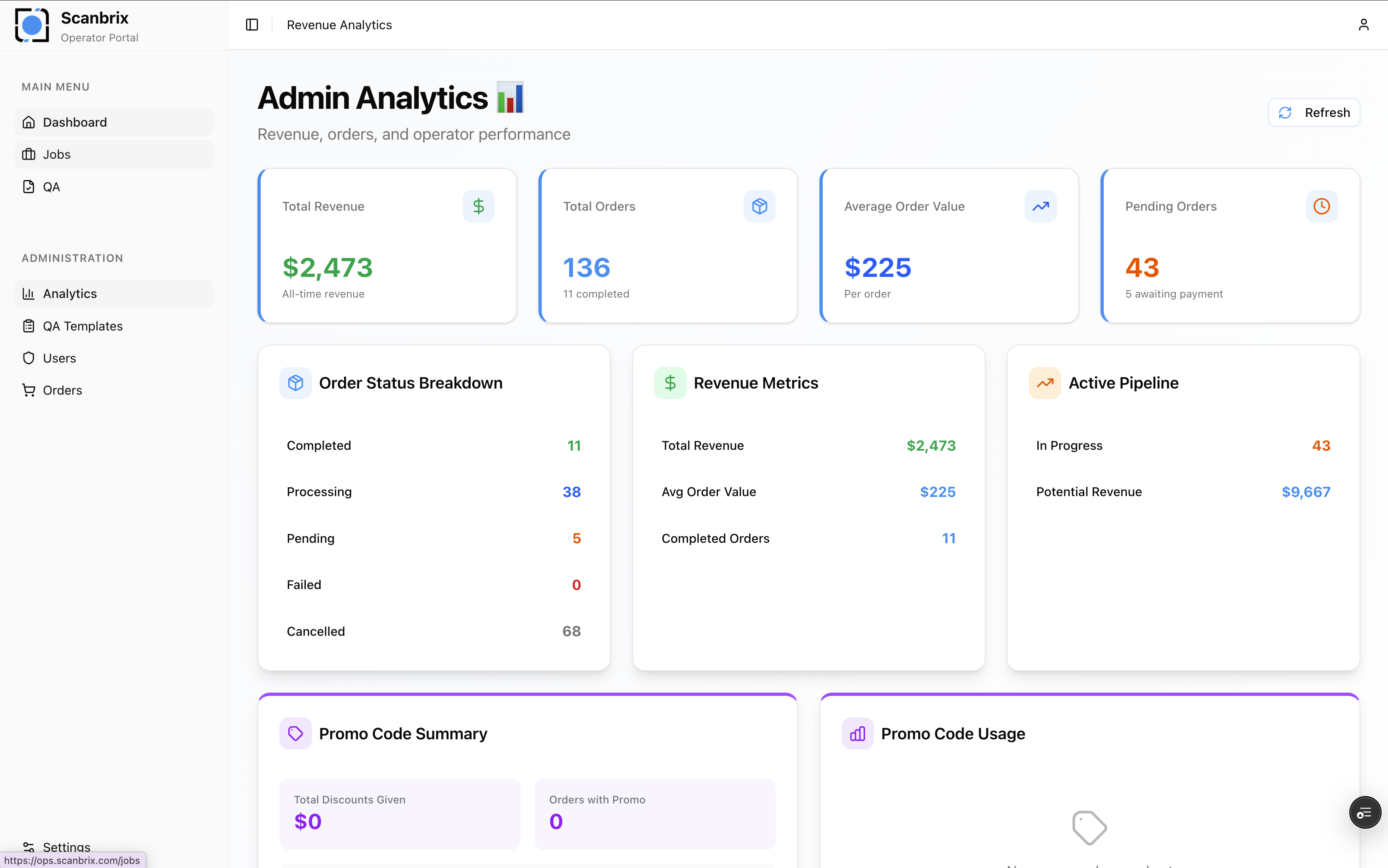
- An internal operator portal for job tracking, QA, pricing, and delivery
- Role-based access control and admin controls
- QA template assignment, including per-job template changes by admins
- Deliverable upload and delivery flows
- Pricing and ordering flows
- A backend refactor from one large file into a structured application with clearer boundaries and better security handling
- Google Cloud Storage upload and download flows across the product
Our Role
We operated as the core engineering and product team.
We owned the product from implementation to delivery. The work covered iOS, web, backend, system structure, operations flows, and client communication. The main challenge was not just shipping features. It was getting an inherited product into a state where people could use it reliably.
Stack
- iOS: SwiftUI, RealityKit, Firebase
- Web: Next.js, TypeScript, Tailwind CSS
- Backend: Python, FastAPI
- Infrastructure and services: Google Cloud Storage, Firebase Auth, Stripe, WebSocket updates
Outcome
The rebuild gave the client a usable operating system for the business, not a patchwork of disconnected screens.
- Contractors could upload jobs without manual back-and-forth
- Operators could track jobs and QA in one place
- Clients had a cleaner way to receive finished assets
- QA decisions moved out of chat threads and spreadsheets
- Admins could adjust QA templates per job without waiting on engineering
The client's priorities were speed, credibility, and less manual coordination. The rebuilt product addressed those directly.