One Peak

MVP Development

MVP development that gets founders to a usable first version.

One Peak helps early founders turn product uncertainty into a focused MVP scope, a working product, and a launch path. The work starts with the smallest credible version customers can use, not a bloated feature list.

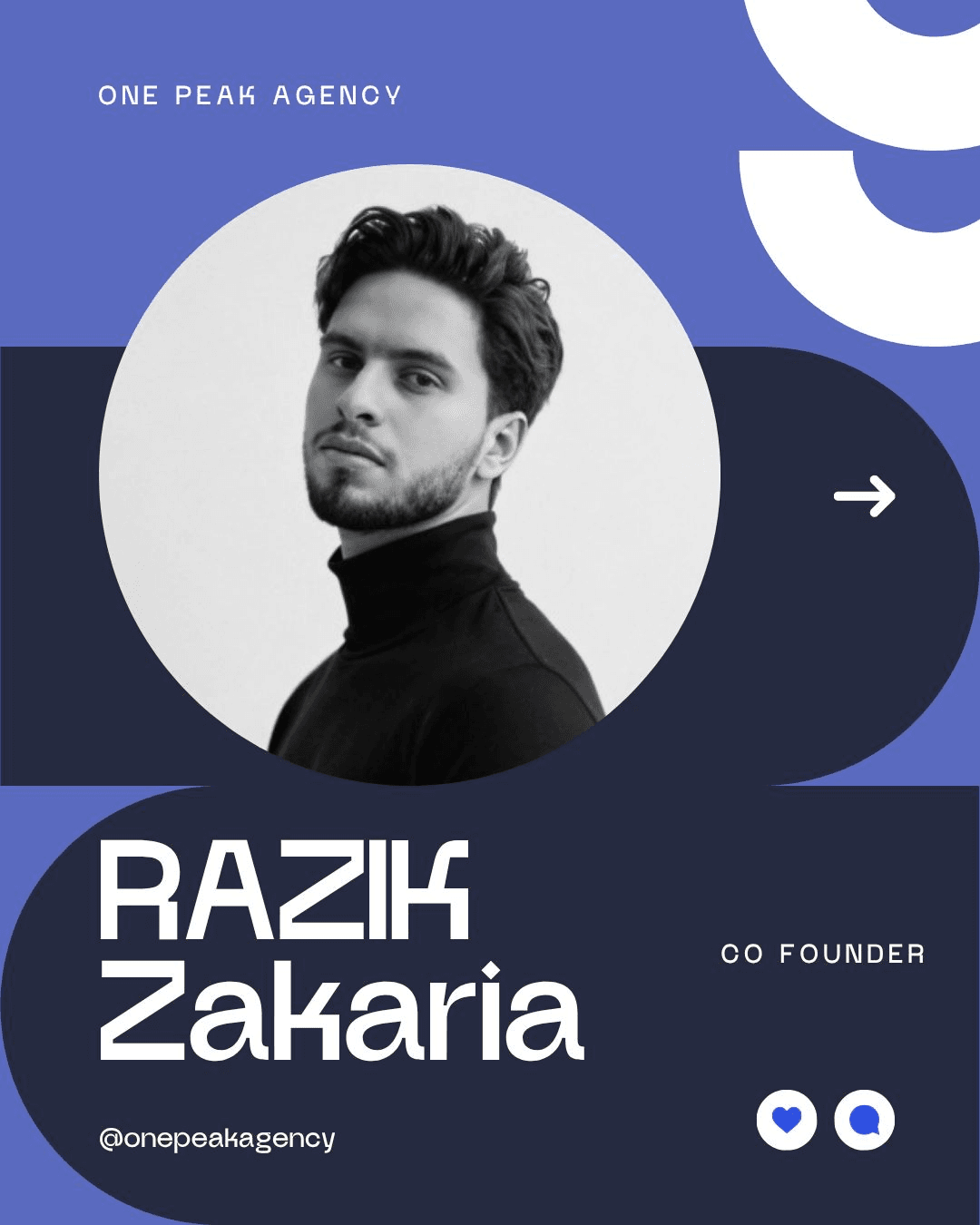
Zack

Founder to founder

The first conversation stays close to the people doing the work.

I personally review every roadmap request.

Zack · Co-founder, One Peak

We keep the working relationship simple: one short weekly check-in, visible scope trade-offs, and the same product team from the first decision through launch.

The essentials

The decisions that shape the first release.

What an MVP actually needs

A useful MVP proves the core workflow, exposes the riskiest assumptions, and gives you enough product surface to learn from real users.

  • A clear primary user and job-to-be-done
  • One activation path with the fewest possible steps
  • The integrations needed to make the product operational
  • Analytics that show where users succeed or drop off

Common scope mistakes

Founders often lose weeks by building secondary roles, dashboards, admin tools, and edge cases before the core product is validated.

  • Designing for every future customer segment
  • Adding complex permissions before usage patterns are known
  • Treating billing, reporting, and automations as day-one requirements
  • Skipping positioning and onboarding until after development

How One Peak approaches MVP delivery

We combine product strategy, interface design, full-stack development, and launch support so the first version is scoped around what needs to be learned first.

  • Define the product thesis and validation goal
  • Map the leanest user journey that can prove demand
  • Build a maintainable version that can survive iteration
  • Prepare roadmap, analytics, and launch next steps

What it costs and how long it takes

MVP development starts at €7,000 and covers two core product features — login, security, architecture, cloud deployment, and 30 days of post-launch support are baseline, not billable features. Most focused MVPs go from kickoff to a usable product in 4–8 weeks.

  • From €7,000 — two core features, full delivery included
  • +€2,000 for UI/UX design and branding
  • Three or more features priced on a custom quote
  • Typical timeline: 4–8 weeks from kickoff to launch
  • 30-day post-launch support and iteration window

What you get at handoff

Once the project is paid in full, you receive a product you can build on: code, infrastructure, analytics, and a roadmap — not a prototype that has to be rebuilt later.

  • A documented codebase transferred to your repository
  • Production and staging environments on your cloud
  • Analytics wired to activation and conversion events
  • A prioritized iteration roadmap based on the first real usage

Straight answers

Frequently asked questions

Budget, ownership, pace, and what happens after launch — without the sales fog.

How much does it cost to work with One Peak?

MVP development starts at €7,000 for two core product features, with login, security, architecture, deployment, and 30 days of post-launch support included. UI/UX design and branding adds €2,000, and products with three or more features get a custom quote.

Who owns the code and accounts?

Once the project has been paid in full, you own the delivered code and project assets. The repository, cloud accounts, app store listings, and analytics are handed over to you, so there is no lock-in if you later hire in-house or switch teams.

What happens after launch?

Every build includes a 30-day post-launch window: we monitor errors and analytics, fix issues, and turn the first real usage into a prioritized iteration roadmap before handing over or continuing.

How involved do I need to be during the build?

Plan for one short weekly check-in plus async reviews. We make scope trade-offs explicit and bring decisions to you instead of burying them in delivery.

How long does MVP development usually take?

Most focused MVPs take weeks, not many months, when the scope is limited to the primary workflow and the riskiest assumptions.

Should we build custom software or use no-code first?

It depends on the product risk. No-code can be useful for simple validation, but custom software is often better when the workflow, data model, or integrations are part of the product advantage.

What should happen before development starts?

A clear audience, core workflow, success metric, and first launch plan give development the right direction. If you do not have those yet, that is okay — we will help you define them, challenge the assumptions, and turn the idea into a practical build plan before development starts.

Contact One Peak

Tell us what you are building. We will map your next product steps.

Start with the roadmap form to get a structured recommendation on scope, priorities, and launch sequence. If you are ready to discuss timelines and delivery, book a call directly.

MVP scope decisionsTechnical approachLaunch priorities

mvp-development

Related pages